
Traumatic Brain Injury Pipeline Enters a New Era of Innovation with 20+ Companies and 22+ Therapies Targeting Neuroprotection and Regeneration | DelveInsight
The Traumatic Brain Injury (TBI) therapeutic landscape is undergoing a transformative shift, driven by scientific advancements, rising clinical urgency, and a robust pipeline of innovative drug candidates. Companies such as Oragenics, Inc., SHINKEI Therapeutics, Inc., AlzeCure, Algernon Pharmaceutical, Mitochon Pharmaceuticals, and others are actively shaping the future of Traumatic Brain Injury treatment through cutting-edge research and diversified therapeutic strategies.
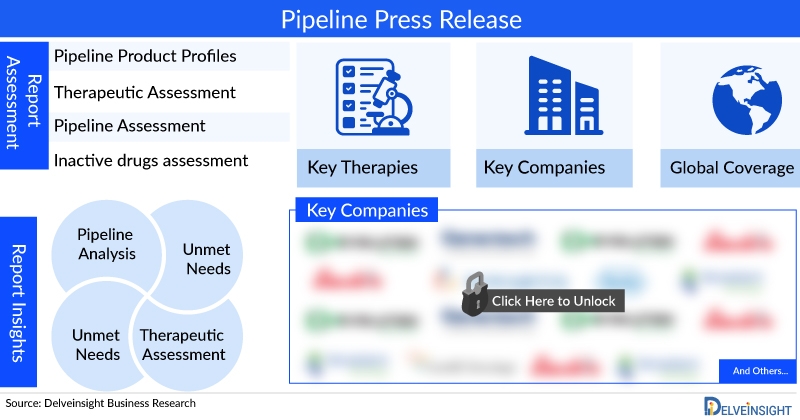
DelveInsight’s “Traumatic Brain Injury Pipeline Insight, 2026” report provides comprehensive insights into 20+ companies and 22+ pipeline drugs within the Traumatic Brain Injury pipeline ecosystem. The report offers detailed evaluations of pipeline drug profiles spanning clinical and nonclinical stages. It further delivers an in-depth therapeutic assessment segmented by product type, development stage, route of administration, and molecule type, along with a thorough analysis of inactive and discontinued candidates.
Unlock key insights into Traumatic Brain Injury pipeline, clinical advancements, and future opportunities: Traumatic Brain Injury Pipeline Outlook
Key Takeaways from the Traumatic Brain Injury Pipeline Report
- The TBI pipeline includes 22+ active therapeutic candidates across multiple stages of development.
- Over 20 companies are actively investing in innovative drug development strategies for TBI.
- Increasing focus on neuroprotective agents and regenerative therapies is reshaping treatment paradigms.
- Novel approaches targeting oxidative stress, neuroinflammation, and synaptic repair are gaining momentum.
- Strategic collaborations and partnerships are accelerating clinical development timelines.
- The absence of disease-modifying treatments highlights significant market opportunities.
- Integration of advanced technologies such as gene therapy and stem cell therapy is expected to drive future innovation.
- In April 2026, Oragenics, Inc. (NYSE American: OGEN), a clinical-stage biotechnology company developing brain-targeted therapeutics through proprietary intranasal delivery technology, today announced that 2 patients and 8 study drug doses have been administered in its ongoing Phase IIa clinical trial evaluating ONP-002, the Company’s lead candidate for the treatment of mild traumatic brain injury (mTBI) a.k.a., concussion. Enrollment is progressing at Mackay Base Hospital in Queensland, Australia, the first activated site in the trial, with additional sites completing final activation steps.
- In November 2025, Oragenics announced that it is currently planning IND submission preparations for US-based Phase IIb clinical trials in Q4 2025 or Q1 2026.
- In July 2025, Oxeia Biopharmaceuticals announced that they are looking for additional funding to start their Phase IIb clinical trial. In response to the lack of traditional investor interest, the company has engaged StartEngine, a leader in the crowdfunding sphere. OXE103’s pilot Phase IIa trial showed strong potential as an effective treatment for concussion, and they are highly encouraged and optimistic about the next Phase IIb trial.
- In January 2025, SanBio entered into a manufacturing agreement with JCR Pharma for the production of AKUUGO. In addition to the stable production of commercial AKUUGO, this contract covers SanBio’s future expansion of indications for cerebral infarction, etc., and the expansion of its treatment in the United States.
Understanding Traumatic Brain Injury: A Critical Global Health Challenge
Traumatic Brain Injury (TBI) is a serious neurological condition resulting from an external mechanical force such as a blow, jolt, or penetrating injury to the head. The condition ranges from mild concussions to severe brain damage that can lead to long-term disability or death. TBI is broadly categorized into primary injury, which occurs at the moment of impact, and secondary injury, which evolves over time due to biochemical and physiological processes triggered by the initial trauma.
The consequences of TBI extend far beyond immediate physical damage. Patients often experience impairments in cognition, motor function, communication, and emotional regulation. Common symptoms include headaches, dizziness, memory loss, confusion, and behavioral changes. Severe cases may involve seizures, prolonged unconsciousness, or coma.
In addition to physical and cognitive challenges, TBI patients frequently face long-term complications such as depression, anxiety, post-traumatic stress disorder (PTSD), and persistent neurological deficits. Rehabilitation remains a cornerstone of recovery, incorporating physical therapy, speech therapy, and cognitive rehabilitation to restore lost functions and improve quality of life.
Despite the high global burden of TBI, treatment options remain largely symptomatic, focusing on managing complications rather than addressing the underlying pathophysiology. This significant unmet need underscores the urgency for innovative and disease-modifying therapies.
Pathophysiology of Traumatic Brain Injury: Unlocking Therapeutic Opportunities
The pathophysiological complexity of TBI presents both challenges and opportunities for drug development. Primary injury involves direct mechanical damage to brain tissues, including neuronal disruption, vascular injury, and axonal shearing. Secondary injury mechanisms, however, are the primary drivers of long-term damage and include neuroinflammation, oxidative stress, excitotoxicity, and disruption of the blood-brain barrier.
These processes can lead to increased intracranial pressure, neuronal death, and progressive neurological deterioration. The cascade of secondary injury also involves the excessive release of neurotransmitters such as glutamate, mitochondrial dysfunction, and immune system activation, all of which contribute to worsening outcomes.
Understanding these mechanisms has paved the way for targeted therapeutic approaches aimed at neuroprotection, inflammation modulation, and neuronal regeneration—key areas of focus within the current TBI pipeline.
Request a sample report to explore detailed pipeline insights and competitive intelligence: Traumatic Brain Injury Competitive Landscape
Traumatic Brain Injury Pipeline Landscape: Innovation at the Forefront
The Traumatic Brain Injury pipeline is witnessing unprecedented growth, driven by advancements in neuroscience, regenerative medicine, and molecular biology. The pipeline comprises a diverse range of therapeutic modalities, including small molecules, biologics, gene therapies, and stem cell-based interventions.
According to DelveInsight’s analysis, approximately 20+ key companies are actively engaged in developing therapies for TBI, collectively advancing 22+ pipeline candidates across various stages of development. These efforts are focused on addressing critical unmet needs such as neuroprotection, cognitive recovery, and long-term functional improvement.
The pipeline reflects a strong emphasis on novel mechanisms of action, including modulation of neuroinflammation, enhancement of neuroplasticity, and targeting mitochondrial dysfunction. Emerging therapies are also leveraging advanced technologies such as gene editing and stem cell therapy to repair damaged neural tissues.
Traumatic Brain Injury Emerging Drugs Profile
ONP-002: Oragenics, Inc.
ONP-002 is a first-in-class enantiomeric neurosteroid designed for the treatment of mild traumatic brain injury (mTBI), commonly known as concussion. The drug works by activating intracellular steroid receptors in neurons and glial cells, leading to reduced inflammation, oxidative stress, and cellular debris accumulation. Additionally, it promotes macro-autophagy, which helps prevent chronic neurodegenerative conditions. ONP-002 is currently in Phase II clinical development.
MR-301: SHINKEI Therapeutics, Inc.
MR-301 is an intravenous formulation of Amantadine HCl, widely used off-label for TBI-related disorders of consciousness. By enhancing dopamine availability in the brain, MR-301 aims to improve cognitive and functional recovery. Backed by decades of clinical use and safety data, the therapy is currently progressing through Phase II trials.
ACD 856: AlzeCure
ACD 856 is a small molecule that acts as a positive allosteric modulator of Trk receptors, enhancing neurotrophic signaling pathways. By increasing the activity of brain-derived neurotrophic factor (BDNF) and nerve growth factor (NGF), the drug supports neuronal survival, synaptic plasticity, and cognitive function. It is currently in Phase I clinical development.
AP-188: Algernon Pharmaceutical
AP-188 (DMT) represents a novel approach to TBI treatment through its neuroprotective and neuroregenerative properties. As a sigma receptor agonist, it promotes cellular repair, reduces inflammation, and enhances neuroplasticity. The therapy is currently in Phase I development and holds promise for improving recovery outcomes.
Download free sample report now to know in detail about pipeline therapies and companies: Traumatic Brain Injury Drugs and Therapies
Traumatic Brain Injury Pipeline Segmentation and Therapeutic Assessment
The report provides a comprehensive segmentation of TBI pipeline therapies based on multiple parameters:
Traumatic Brain Injury Clinical Development Stages
- Phase III (late-stage)
- Phase II (mid-stage)
- Phase I (early-stage)
- Preclinical and discovery-stage candidates
- Inactive and discontinued programs
Traumatic Brain Injury Route of Administration
- Oral
- Intravenous
- Subcutaneous
- Parenteral
- Topical
Traumatic Brain Injury Molecule Types
- Small molecules
- Monoclonal antibodies
- Peptides
- Recombinant fusion proteins
- Gene therapies
- Polymer-based therapeutics
Traumatic Brain Injury Product Types
- Monotherapy
- Combination therapy
- Mono/Combination approaches
This diverse therapeutic landscape reflects the multifactorial nature of TBI and the need for multidimensional treatment strategies.
Traumatic Brain Injury Clinical Trial and Development Activities: Accelerating Innovation
The Traumatic Brain Injury pipeline is characterized by increasing clinical trial activity and strategic collaborations among pharmaceutical companies, biotechnology firms, and academic institutions. These partnerships are critical for advancing research, sharing expertise, and accelerating drug development.
Companies are actively exploring licensing agreements, mergers, and acquisitions to strengthen their pipelines and expand their technological capabilities. Additionally, regulatory designations and funding initiatives are playing a vital role in supporting the development of innovative therapies.
Stay ahead with comprehensive insights into Traumatic Brain Injury clinical trials and emerging therapies: Traumatic Brain Injury Clinical Trials and FDA Approvals
Traumatic Brain Injury Market Drivers, Challenges, and Future Outlook
The growth of the Traumatic Brain Injury pipeline is driven by several key factors, including the rising incidence of head injuries due to accidents, sports-related trauma, and military conflicts. Increasing awareness, improved diagnostic capabilities, and advancements in neuroscience are further contributing to market expansion.
However, the development of effective TBI therapies is hindered by challenges such as the complexity of disease mechanisms, variability in patient response, and lack of reliable biomarkers. These factors complicate clinical trial design and delay regulatory approvals.
Despite these challenges, the future outlook for TBI therapeutics remains highly promising. The integration of artificial intelligence, precision medicine, and biomarker-driven approaches is expected to revolutionize treatment strategies. Emerging therapies targeting neuroregeneration and functional recovery are poised to redefine the standard of care.
Scope of the Traumatic Brain Injury Pipeline Report
- Coverage: Global
- Key Traumatic Brain Injury Companies: Oragenics, Inc., SHINKEI Therapeutics, Inc., AlzeCure, Algernon Pharmaceutical, Mitochon Pharmaceuticals, Hoth Therapeutics, BioArctic, Tiziana Life Sciences, and others
- Key Traumatic Brain Injury Therapies: ONP-002, MR-301, ACD 856, AP-188, MP201, HT-TBI, NA-731, Lecanemab, Foralumab, ILB, VOLT02, ISC-hpNSC, RNS60, PACAP300
- Therapeutic Assessment: By product type, stage, route of administration, and molecule type
Request for free sample report now: Traumatic Brain Injury Companies and Comparative Analysis
Key Questions Addressed in the Report
- How many companies are actively developing TBI therapies?
- What is the distribution of pipeline drugs across clinical stages?
- Which novel technologies are shaping the future of TBI treatment?
- What are the key collaborations and licensing activities in this space?
- What are the ongoing clinical trials and their current status?
- Which emerging therapies hold the highest potential for commercialization?
Table of Content:
- Introduction
- Executive Summary
- Traumatic Brain Injury: Overview
- Introduction
- Causes
- Pathophysiology
- Signs and Symptoms
- Diagnosis
- Treatment
- Pipeline Therapeutics
- Comparative Analysis
- Therapeutic Assessment
- Assessment by Product Type
- Assessment by Stage and Product Type
- Assessment by Route of Administration
- Assessment by Stage and Route of Administration
- Assessment by Molecule Type
- Assessment by Stage and Molecule Type
- Traumatic Brain Injury– DelveInsight’s Analytical Perspective
- Late Stage Products (Phase III)
- Comparative Analysis
- Drug Name: Company Name
- Product Description
- Research and Development
- Product Development Activities
- Drug profiles in the detailed report…..
- Mid Stage Products (Phase II)
- Comparative Analysis
- ONP-002: Oragenics, Inc.
- Product Description
- Research and Development
- Product Development Activities
- Drug profiles in the detailed report…..
- Early Stage Products (Phase I)
- Comparative Analysis
- ACD 856: AlzeCure
- Product Description
- Research and Development
- Product Development Activities
- Drug profiles in the detailed report…..
- Preclinical and Discovery Stage Products
- Comparative Analysis
- Drug Name: Company Name
- Product Description
- Research and Development
- Product Development Activities
- Drug profiles in the detailed report…..
- Inactive Products
- Comparative Analysis
- Traumatic Brain Injury Key Companie
- Traumatic Brain Injury Key Products
- Traumatic Brain Injury- Unmet Needs
- Traumatic Brain Injury- Market Drivers and Barriers
- Traumatic Brain Injury- Future Perspectives and Conclusion
- Traumatic Brain Injury Analyst Views
- Traumatic Brain Injury Key Companies
- Appendix
About DelveInsight
DelveInsight is a leading Life Science market research and business consulting company recognized for its off-the-shelf syndicated market research reports and customized solutions to firms in the healthcare sector.
Media Contact
Company Name: DelveInsight Business Research LLP
Contact Person: Ankit Nigam
Email: Send Email
Phone: +14699457679
Address:304 S. Jones Blvd #2432
City: Albany
State: New York
Country: United States
Website: https://www.delveinsight.com/consulting


