
Digital Therapeutics Market Size Expected to Reach USD 21.9 Billion by 2028
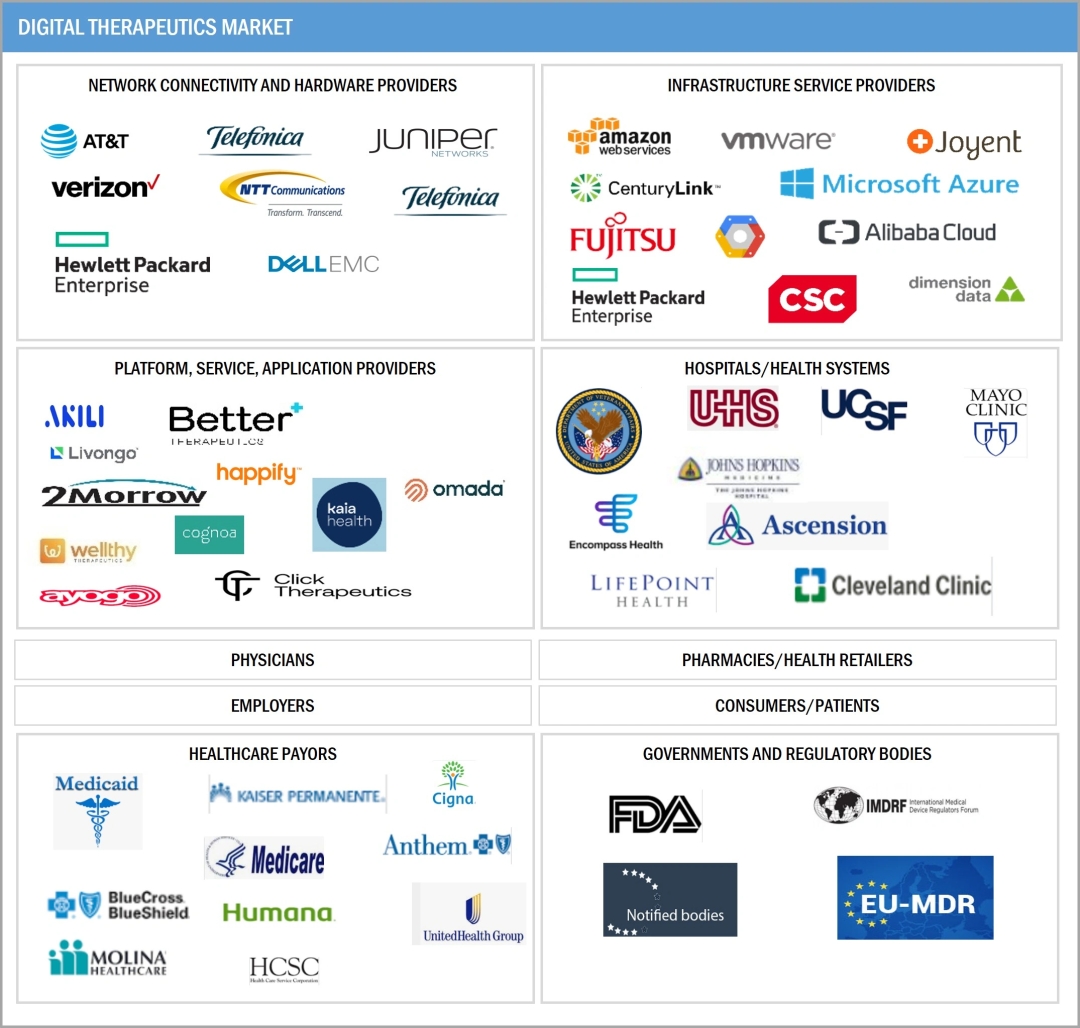
The global digital therapeutics market size was valued at USD 4.4 billion in 2022 and reached USD 6.1 billion in 2023. The market is projected to grow at a CAGR of 29.1% from 2023 to 2028, reaching approximately USD 21.9 billion by the end of the forecast period. Increasing prevalence of chronic diseases, growing venture capital investments, and expanding collaborations between technology companies and healthcare providers are driving significant market growth.
The integration of advanced technologies such as artificial intelligence (AI), machine learning (ML), wearable devices, mobile health applications, and connected care platforms is transforming the delivery of evidence-based therapeutic interventions. These innovations are helping healthcare systems improve patient engagement, treatment adherence, and long-term health outcomes.
Download PDF Brochure:https://www.marketsandmarkets.com/pdfdownloadNew.asp?id=51646724
What Is Driving Growth in the Digital Therapeutics Market?
The growing prevalence of chronic diseases such as diabetes, cardiovascular diseases, hypertension, respiratory disorders, and mental health conditions is creating strong demand for scalable and cost-effective treatment solutions. Digital therapeutics provide personalized interventions that help patients manage their conditions outside traditional healthcare settings.
At the same time, increasing investments from venture capital firms and strategic partnerships between healthcare organizations and technology providers are accelerating innovation and commercialization. The growing acceptance of digital health solutions among providers and payers is further supporting market expansion.
Why Is Preventive Healthcare Becoming a Major Growth Driver?
Healthcare systems worldwide are increasingly shifting their focus from disease treatment to disease prevention. Preventive healthcare strategies aimed at improving lifestyle behaviors, reducing health risks, and supporting early intervention are creating favorable conditions for digital therapeutics adoption.
Chronic diseases account for a substantial share of global healthcare spending despite being largely preventable. Governments, healthcare providers, and insurers are increasingly investing in preventive care programs that encourage behavioral change, remote monitoring, and personalized health management. Digital therapeutics are emerging as an effective tool for achieving these objectives.
How Are AI and Advanced Technologies Transforming Digital Therapeutics?
Artificial intelligence and machine learning technologies are becoming central to the evolution of digital therapeutics. These technologies enable personalized treatment plans, real-time patient monitoring, predictive analytics, and adaptive therapeutic interventions based on individual patient behavior and health data.
The integration of wearable devices, mobile applications, cloud platforms, and AI-powered communication tools is creating more sophisticated and engaging treatment experiences. These innovations are helping improve patient adherence while enabling healthcare providers to deliver continuous care outside traditional clinical settings.
Why Does the Large Untreated Population Create Significant Opportunities?
Despite the availability of effective treatments for chronic diseases, millions of patients worldwide remain undiagnosed or untreated. Limited healthcare access, shortages of healthcare professionals, inadequate infrastructure, and financial barriers continue to prevent many individuals from receiving timely care.
Digital therapeutics offer an opportunity to bridge these gaps by providing accessible, scalable, and remote treatment solutions. Their ability to reach underserved populations through smartphones and internet-connected devices makes them particularly valuable in low- and middle-income countries where healthcare resources may be limited.
Request Sample Pages – https://www.marketsandmarkets.com/requestsampleNew.asp?id=51646724
What Challenges Continue to Impact Market Adoption?
Patient reluctance remains one of the key challenges facing the digital therapeutics market. Older adults and underserved populations, who often have the highest disease burden, may have lower levels of digital literacy and reduced confidence in using technology-based healthcare solutions.
Questions also remain regarding long-term patient engagement, sustained behavioral change, and treatment adherence over extended periods. In addition, many patients continue to prefer traditional treatment methods, creating barriers to widespread adoption of digital therapeutic interventions.
Why Are Awareness and Infrastructure Limitations Slowing Growth in Developing Markets?
Although healthcare technology adoption is increasing globally, many developing regions still face significant challenges related to digital infrastructure, internet connectivity, and healthcare technology awareness. Limited access to digital tools and low levels of health literacy continue to restrict market penetration.
Healthcare professionals in many regions also remain unfamiliar with the clinical evidence supporting digital therapeutics. Improving awareness, expanding digital infrastructure, and increasing healthcare education will be essential for unlocking the market’s full growth potential in emerging economies.
Which Offering Segment Leads the Digital Therapeutics Market?
Based on offering, the software and platforms segment is expected to account for the largest market share during the forecast period. The segment’s dominance is driven by growing reliance on advanced software solutions to deliver evidence-based therapeutic interventions and patient management programs.
The increasing adoption of AI-powered health platforms, mobile health applications, and integrated care management systems continues to strengthen demand for digital therapeutics software solutions across healthcare settings.
Why Does the Business-to-Business Segment Dominate Market Adoption?
The business-to-business (B2B) segment accounted for the largest market share due to growing adoption among healthcare payers, employers, providers, and pharmaceutical companies. These stakeholders increasingly recognize the potential of digital therapeutics to improve clinical outcomes while reducing healthcare costs.
Pharmaceutical companies are also exploring opportunities to combine digital therapeutics with traditional drug therapies to enhance treatment effectiveness, improve adherence, and generate better patient outcomes.
Why Does North America Lead the Global Digital Therapeutics Market?
North America held the largest share of the digital therapeutics market due to strong investment activity, favorable reimbursement developments, growing startup ecosystems, and supportive government initiatives promoting healthcare innovation.
The region benefits from advanced healthcare infrastructure, high digital adoption rates, and increasing acceptance of digital health solutions among providers, payers, and patients. These factors continue to position North America as the leading market for digital therapeutics innovation and commercialization.
Who Are the Leading Companies in the Digital Therapeutics Market?
Major companies operating in the market include Noom, Inc., Teladoc Health, Inc., Omada Health, Inc., WellDoc, Inc., Biofourmis, Better Therapeutics, Inc., Headspace Health, Virta Health Corp, Click Therapeutics, Inc., Akili, Inc., Wellthy Therapeutics Pvt. Ltd., Kaia Health, and Hinge Health, Inc..
These companies are investing in AI-driven therapeutic platforms, chronic disease management solutions, behavioral health programs, and personalized digital interventions. Strategic collaborations, product innovation, and clinical validation efforts continue to strengthen competition within the rapidly evolving digital therapeutics landscape.
Inquire Before Buying – https://www.marketsandmarkets.com/Enquiry_Before_BuyingNew.asp?id=51646724
Why Does the Digital Therapeutics Market Matter Now?
Healthcare systems are under increasing pressure to improve outcomes while controlling costs and expanding access to care. Digital therapeutics offer a scalable, evidence-based approach to managing chronic diseases, supporting preventive healthcare, and improving patient engagement.
As artificial intelligence, wearable technologies, remote monitoring, and personalized healthcare continue to evolve, digital therapeutics are expected to become an increasingly important component of modern healthcare delivery. The market presents significant opportunities for healthcare providers, technology companies, payers, pharmaceutical manufacturers, and investors seeking to shape the future of digital medicine.
Media Contact
Company Name: MarketsandMarkets™ Research Private Ltd.
Contact Person: Mr. Rohan Salgarkar
Email: Send Email
Phone: 18886006441
Address:1615 South Congress Ave. Suite 103, Delray Beach, FL 33445
City: Florida
State: Florida
Country: United States
Website: https://www.marketsandmarkets.com/Market-Reports/digital-therapeutics-market-51646724.html


