
Focal Segmental Glomerulosclerosis Market to Surpass USD 837 Million by 2034, Growing at a Steady CAGR from USD 734 Million in 2022, Driven by Novel Therapies, Rising Prevalence | DelveInsight
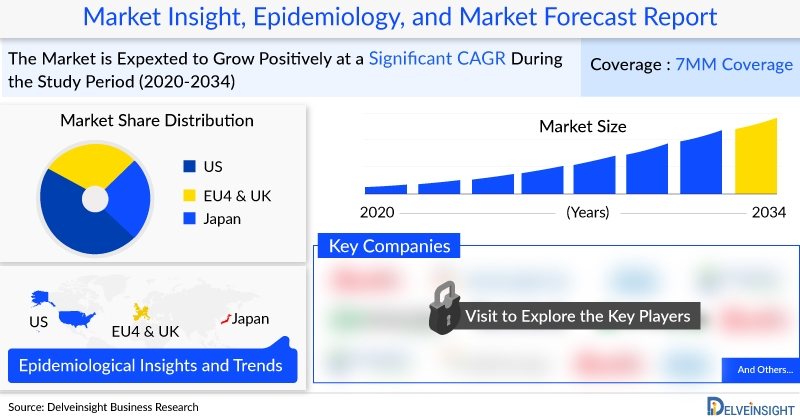
The FSGS market across the seven major markets (7MM) was valued at nearly USD 734 million in 2022 and is anticipated to grow steadily throughout the forecast period.
DelveInsight’s Focal Segmental Glomerulosclerosis Market Report delivers an in-depth evaluation of existing therapeutic paradigms, investigational drug candidates, and comparative market shares of approved treatments. It also provides historical and forecasted market estimates across the 7MM from 2020 to 2034, along with detailed analyses of current clinical management practices, treatment algorithms, unmet medical needs, and strategic opportunities expected to shape the future trajectory of the FSGS market.
FSGS Market Overview
The FSGS market is expected to witness notable expansion between 2023 and 2034, largely driven by the development and expected approvals of innovative therapeutic options. According to DelveInsight’s findings, the United States accounted for the largest share of diagnosed FSGS cases, contributing approximately 46.96% of the total patient population across the 7MM, followed by Japan with about 14.83% in 2022. Epidemiological data further indicates a higher incidence among males, influenced by a mix of genetic, hormonal, and environmental factors.
Currently, treatment approaches primarily rely on therapies such as statins, ezetimibe/bempedoic acid combinations, and PCSK9 inhibitors, which together generated around USD 23 million in revenue in 2022. However, with ongoing advancements in drug development and increasing research activity, the market is poised to benefit from improved access to novel therapies, better clinical outcomes, and more effective disease management strategies. This progression highlights strong long-term growth potential for the global FSGS treatment landscape.
To Know in detail about the Focal Segmental Glomerulosclerosis market outlook, drug uptake, treatment scenario and epidemiology trends, Click here; Focal Segmental Glomerulosclerosis Market Forecast
Key Takeaways of the Focal Segmental Glomerulosclerosis Market Report
- In April 2026, Travere Therapeutics, Inc., (Nasdaq: TVTX) today announced that the U.S. Food and Drug Administration (FDA) has approved FILSPARI® (sparsentan) to reduce proteinuria in adult and pediatric patients aged 8 years and older with focal segmental glomerulosclerosis (FSGS) without nephrotic syndrome. FILSPARI is the first and only medicine approved by the FDA for the treatment of FSGS, marking its expansion beyond IgA nephropathy (IgAN) into a second rare kidney disease. FILSPARI is currently the most commonly prescribed FDA-approved medicine for IgAN.
- In November 2025, Processa Pharmaceuticals, Inc. (Nasdaq: PCSA), a clinical-stage biopharmaceutical company developing Next Generation Cancer (NGC) therapies and innovative treatments for rare diseases, announced that its abstract, “Adaptive Phase 2/3 Study for PCS499 (499) in Patients with Focal Segmental Glomerulosclerosis (FSGS),” had been accepted for presentation at the American Society of Nephrology (ASN) Kidney Week 2025, which took place from November 5–9, 2025, in Houston, Texas.
- In October 2025, Renalys Pharma, Inc. (Headquarters: Chuo-ku, Tokyo; “Renalys”) today announced that it has reached an agreement with the Pharmaceuticals and Medical Devices Agency (PMDA) of Japan regarding development plans for two Phase III clinical trials of sparsentan in Japan (development code: RE-021) — one investigating the use of sparsentan in focal segmental glomerulosclerosis (FSGS) and the other in Alport syndrome (AS) in Japan.
- In June 2025, the DUPLEX trial (NCT03493685) determined that the dual endothelin angiotensin receptor antagonist sparsentan resulted in sustained proteinuria reduction among patients with focal segmental glomerulosclerosis (FSGS).
- In May 2025, Travere Therapeutics, Inc. announced that the U.S. Food and Drug Administration (FDA) had accepted its supplemental New Drug Application (sNDA) for traditional approval of FILSPARI (sparsentan) for the treatment of focal segmental glomerulosclerosis (FSGS).
- Among the 7MM countries, Japan dominated the FSGS Drugs Market in 2022, capturing the The Focal Segmental Glomerulosclerosis market size was valued approximately USD 734 Million in 2022 and is anticipated to grow with a significant CAGR during the study period (2020-2034)
- In 2022, the US accounted for approximately 34% of the total FSGS market, with projections indicating a significant compound annual growth rate (CAGR) during the study period.
- In 2022, the EU4 countries and the UK generated an estimated USD 147 million, with this figure expected to grow at a significant CAGR. Among the European nations, France held the largest market share in 2022, followed by Germany.
- According to DelveInsight’s assessments, there were roughly 55 million diagnosed prevalent cases of FSGS in the 7MM in 2022, with expectations of a rise during the forecast period.
- In 2022, around 26 million individuals in the United States were diagnosed with FSGS, and this number is projected to rise at an estimated CAGR throughout the study period from 2020 to 2034.
- In EU4 and the UK, Germany had the largest diagnosed prevalent population of FSGS in 2022, with approximately 5 million cases, followed by France and Italy. Conversely, Spain had the lowest diagnosed prevalent population in EU4 and the UK in 2022.
- Key Focal Segmental Glomerulosclerosis Companies: Travere Therapeutics, Dimerix, Goldfinch Bio, Vertex Pharmaceuticals, GlaxoSmithKline, Dimerix Bioscience Pty Ltd, ChemoCentryx, AstraZeneca, Genentech, Inc., Sanofi, Mallinckrodt ARD LLC, ACELYRIN Inc., Kyowa Kirin Co., Ltd., Bristol-Myers Squibb, and others
- Key Focal Segmental Glomerulosclerosis Therapies: DMX-200, GFB-887, VX-147, Losmapimod, Propagermanium, RE-021 (Sparsentan), CCX140-B, Dapagliflozin, rituximab, fresolimumab, Acthar Gel, VB119, Bleselumab, Abatacept, and others
- The Focal Segmental Glomerulosclerosis epidemiology based on gender analyzed that Focal Segmental Glomerulosclerosis is more prevalent in males than females in the United States
- The Focal Segmental Glomerulosclerosis market is expected to surge due to the disease’s increasing prevalence and awareness during the forecast period. Furthermore, launching various multiple-stage Focal Segmental Glomerulosclerosis pipeline products will significantly revolutionize the Focal Segmental Glomerulosclerosis market dynamics.
Track Market Shifts in FSGS – Stay informed on FDA approvals, pipeline developments, epidemiology, and competitive landscape shaping the future of FSGS treatment. @ Access the Complete FSGS Market Report
Focal Segmental Glomerulosclerosis Overview
Focal Segmental Glomerulosclerosis (FSGS) is a rare and serious kidney disorder characterized by scarring (sclerosis) in portions (segmental) of some (focal) glomeruli—the tiny filtering units of the kidney. This damage disrupts the kidney’s ability to filter blood effectively, leading to protein leakage into the urine (proteinuria), a hallmark of the disease.
FSGS can be classified into primary (idiopathic), secondary, or genetic forms. Primary FSGS arises without a known cause and is often linked to immune dysfunction. Secondary FSGS develops due to underlying conditions such as obesity, infections (e.g., HIV), drug toxicity, or reduced kidney mass. Genetic FSGS is associated with mutations affecting podocytes, the specialized cells essential for maintaining the filtration barrier.
Clinically, patients may present with nephrotic syndrome, including severe proteinuria, hypoalbuminemia, edema, and hyperlipidemia. If left untreated, FSGS can progress to chronic kidney disease and ultimately end-stage renal disease (ESRD), requiring dialysis or transplantation.
Diagnosis typically involves urine tests, blood tests, and kidney biopsy to confirm the extent and pattern of glomerular damage. Treatment strategies focus on reducing proteinuria and slowing disease progression through corticosteroids, immunosuppressants, and supportive therapies such as blood pressure control. Emerging targeted therapies are being developed to address underlying disease mechanisms and improve long-term outcomes.
Focal Segmental Glomerulosclerosis Market Outlook
Focal Segmental Glomerulosclerosis (FSGS) is a complex kidney disorder influenced by a combination of genetic factors, lifestyle habits, and associated health conditions. Managing FSGS typically begins with non-pharmacological approaches such as stress reduction, regular physical activity, dietary modifications, and smoking cessation. These lifestyle interventions can complement medical treatments and help improve overall patient outcomes by reducing disease progression and related risks.
As the treatment landscape evolves, new targeted therapies are emerging. One of the most promising candidates is Olpasiran, currently in Phase III clinical trials, which is expected to significantly impact the future of FSGS management. Its potential launch could drive market growth across the seven major markets (7MM), with projections suggesting the market may reach approximately USD 837 million by 2034.
In terms of market performance, the FSGS market was valued at around USD 734 million in 2022 and is expected to grow steadily over the forecast period. Japan held the largest share at nearly 46%, followed by the United States with about 34%, which is anticipated to expand at a notable rate. The EU4 countries and the UK together accounted for approximately USD 147 million, with France leading within Europe, followed by Germany.
Although the current treatment pipeline for FSGS remains limited, increasing research efforts and growing awareness are expected to gradually expand therapeutic options. This progress points toward a more promising future with improved and more effective disease management strategies.
Get a Free sample for the Focal Segmental Glomerulosclerosis Market Report: Focal Segmental Glomerulosclerosis Market Size
Focal Segmental Glomerulosclerosis Market Drivers and barriers
Focal Segmental Glomerulosclerosis (FSGS) Market Drivers
1. Rising Prevalence of Kidney Disorders
The increasing incidence of chronic kidney diseases, including FSGS, is a major growth driver. Factors such as genetic mutations, infections, and comorbidities (e.g., HIV, obesity, and sickle cell disease) are contributing to a growing patient pool, thereby increasing demand for effective therapies.
2. Advancements in Diagnostics and Precision Medicine
Significant progress in diagnostic technologies such as genetic testing, biomarkers, and next-generation sequencing—has improved early and accurate detection of FSGS. These advancements enable personalized treatment approaches and expand the treatable population.
3. Growing Focus on Targeted and Novel Therapies
The shift from conventional immunosuppressants to targeted therapies (e.g., APOL1 inhibitors, complement inhibitors, and biologics) is transforming the treatment landscape. Increasing R&D investments and innovation in mechanism-based drugs are fueling market growth.
4. Regulatory Support and Orphan Drug Incentives
Regulatory agencies are increasingly supporting rare disease drug development through incentives such as orphan drug designations and acceptance of surrogate endpoints like proteinuria reduction. This accelerates approvals and encourages pharmaceutical investments.
5. Increasing Healthcare Expenditure and Awareness
Rising healthcare spending globally and growing awareness about kidney diseases are improving access to diagnosis and treatment. Government initiatives and patient advocacy efforts are also playing a crucial role in boosting the market.
6. Emerging Approved Therapies Expanding Market Potential
Recent regulatory approvals for FSGS-specific treatments are creating new growth opportunities. For example, newly approved therapies are expanding the addressable patient population and strengthening physician confidence in treatment options.
Focal Segmental Glomerulosclerosis (FSGS) Market Barriers
1. Limited Approved Treatment Options
Despite ongoing research, there are still very few FDA-approved therapies specifically for FSGS. Most current treatments rely on off-label immunosuppressants, which limits treatment effectiveness and market expansion.
2. High Treatment Costs and Economic Burden
FSGS management often involves expensive long-term therapies, dialysis, or transplantation. These high costs can restrict patient access, particularly in low- and middle-income regions.
3. Disease Heterogeneity and Complexity
FSGS is not a single disease but a group of conditions with varied causes and responses to treatment. This complexity makes it difficult to develop universally effective therapies and complicates clinical trial design.
4. Challenges in Clinical Trial Recruitment
Due to the rarity of FSGS and its small patient population, recruiting sufficient participants for clinical trials is challenging. This slows down drug development and regulatory approvals.
5. Regulatory and Approval Hurdles
Strict regulatory requirements and the need for strong clinical evidence can delay the approval of new therapies. Rare disease trials often struggle to generate large datasets, prolonging timelines.
6. Side Effects and Limitations of Existing Therapies
Current treatments, especially corticosteroids and immunosuppressants, are associated with significant side effects and relapse rates. This impacts patient compliance and overall treatment outcomes.
7. Limited Awareness and Misdiagnosis
In many regions, lack of awareness and insufficient diagnostic infrastructure lead to underdiagnosis or delayed diagnosis, limiting early intervention and market growth.
Focal Segmental Glomerulosclerosis Epidemiology
DelveInsight’s analysis indicates that Japan recorded approximately 3.92 million diagnosed prevalent cases of Focal Segmental Glomerulosclerosis (FSGS) in 2023, with around 1.39 million males and 2.53 million females affected. Within the 7MM, the United States represented about 44% of total diagnosed cases—6.98 million—a number expected to grow by 2034. In the US, prevalence was highest in the 75–84 age group at roughly 2.79 million cases, while individuals under 65 showed the lowest burden at 175,000 cases. Across the EU4 and the UK, mild cognitive impairment (MCI) emerged as the most common severity stage (2.56 million cases), whereas severe dementia accounted for only 645,000 cases. Neuropsychiatric complications also contributed significantly to the disease burden, with the US reporting 5.23 million agitation cases and Japan documenting 2.03 million psychosis cases in 2023—both expected to increase throughout the forecast period.
Focal Segmental Glomerulosclerosis Epidemiology Segmentation
The Focal Segmental Glomerulosclerosis market report proffers epidemiological analysis for the study period 2020–2034 in the 7MM segmented into:
- Total Prevalence of Focal Segmental Glomerulosclerosis
- Prevalent Cases of Focal Segmental Glomerulosclerosis by severity
- Gender-specific Prevalence of Focal Segmental Glomerulosclerosis
- Diagnosed Cases of Episodic and Chronic Focal Segmental Glomerulosclerosis
Download the report to understand which factors are driving Focal Segmental Glomerulosclerosis epidemiology trends @ Focal Segmental Glomerulosclerosis Patient Population Forecast
Focal Segmental Glomerulosclerosis Drugs Uptake and Pipeline Activities
Masitinib (AB1010) – AB Science
Masitinib is an oral tyrosine kinase inhibitor targeting neuro-immune cells, including mast cells and microglia, which accumulate in the central nervous system (CNS) and are implicated in Focal Segmental Glomerulosclerosis pathology. Preclinical studies have shown that masitinib protects synapses by inhibiting mast cells, improving spatial learning and restoring synaptic markers. Clinically, Phase II trials demonstrated benefits in mild to moderate Focal Segmental Glomerulosclerosis, while Phase IIb/III studies indicated a significant slowing of cognitive decline. Masitinib is currently under confirmatory Phase III evaluation.
Valiltramiprosate (ALZ-801) – Alzheon, Inc.
ALZ-801 is an oral small-molecule prodrug designed to block the formation of neurotoxic amyloid oligomers in the brain. It is a valine-conjugated form of tramiprosate, metabolizing into homotaurine for enhanced absorption and prolonged blood retention. Both ALZ-801 and tramiprosate metabolize to 3-sulfopropanoic acid (3-SPA), which inhibits Aß42 aggregation. Designed to improve gastrointestinal tolerance and pharmacokinetics, ALZ-801 has shown stable plasma levels in Phase I studies. It is currently in Phase III clinical trials for early-stage Focal Segmental Glomerulosclerosis as a potential disease-modifying therapy.
Tricaprilin (CER-0001) – Cerecin
Tricaprilin (CER-0001), also known as AC-1204, is an oral formulation of caprylic triglyceride that induces mild chronic ketosis to enhance mitochondrial metabolism. Focal Segmental Glomerulosclerosis is associated with reduced cerebral glucose utilization, and CER-0001 provides ketone bodies as an alternative energy source, boosting cellular metabolism. Caprylic acid is converted to acetoacetic acid and ß-hydroxybutyric acid, which form acetyl-CoA for energy production via the citric acid cycle. Clinical studies suggest cognitive improvements in mild to moderate Focal Segmental Glomerulosclerosis, particularly in APOE4-negative patients.
Bezisterim (NE3107) – BioVie
NE3107 is an oral small molecule that crosses the blood-brain barrier and acts as both an anti-inflammatory agent and an insulin sensitizer. It selectively inhibits the ERK/NF-κB pathway, reducing TNF production and modulating microglial activity without impairing essential functions. This dual action may reduce CNS inflammation and insulin resistance, potentially slowing Alzheimer’s progression. Previously known as HE3286, NE3107 is also under investigation for Parkinson’s disease, multiple myeloma, and prostate cancer. Phase III trials in mild to moderate Focal Segmental Glomerulosclerosis have been completed, with results presented at AD/PD 2024 in Lisbon, demonstrating potential to mitigate neurocognitive decline.
To know more about Focal Segmental Glomerulosclerosis companies working in the treatment market, visit @ Focal Segmental Glomerulosclerosis Clinical Trials and Therapeutic Assessment
Focal Segmental Glomerulosclerosis Therapeutic Assessment
Key Focal Segmental Glomerulosclerosis Companies are AstraZeneca (NASDAQ: AZN) / (LSE: AZN), ACELYRIN Inc. (NASDAQ: SLRN), Sanofi (NASDAQ: SNY) / (EPA: SAN), Vertex Pharmaceuticals (NASDAQ: VRTX), Kyowa Kirin Co., Ltd. (TSE: 4151), Travere Therapeutics (NASDAQ: TVTX), Dimerix Limited (ASX: DXB), GlaxoSmithKline (NYSE: GSK) / (LSE: GSK), Bristol-Myers Squibb (NYSE: BMY), Genentech Inc. (Subsidiary of Roche – OTCQX: RHHBY / SIX: ROG), Mallinckrodt ARD LLC (Part of Mallinckrodt plc – OTC: MNKTQ / restructuring history), ChemoCentryx (Acquired by Amgen – NASDAQ: AMGN), Goldfinch Bio, Dimerix Bioscience Pty Ltd, and others.
Scope of the Focal Segmental Glomerulosclerosis Market Report
- Study Period: 2020–2034
- Coverage: 7MM [The United States, EU5 (Germany, France, Italy, Spain, and the United Kingdom), and Japan]
- Key Focal Segmental Glomerulosclerosis Companies: Travere Therapeutics, Dimerix, Goldfinch Bio, Vertex Pharmaceuticals, GlaxoSmithKline, Dimerix Bioscience Pty Ltd, ChemoCentryx, AstraZeneca, Genentech, Inc., Sanofi, Mallinckrodt ARD LLC, ACELYRIN Inc., Kyowa Kirin Co., Ltd., Bristol-Myers Squibb, and others
- Key Focal Segmental Glomerulosclerosis Therapies: DMX-200, GFB-887, VX-147, Losmapimod, Propagermanium, RE-021 (Sparsentan), CCX140-B, Dapagliflozin, rituximab, fresolimumab, Acthar Gel, VB119, Bleselumab, Abatacept, and others
- Focal Segmental Glomerulosclerosis Therapeutic Assessment: Focal Segmental Glomerulosclerosis current marketed and Focal Segmental Glomerulosclerosis emerging therapies
- Focal Segmental Glomerulosclerosis Market Dynamics: Focal Segmental Glomerulosclerosis market drivers and Focal Segmental Glomerulosclerosis market barriers
- Competitive Intelligence Analysis: SWOT analysis, PESTLE analysis, Porter’s five forces, BCG Matrix, Market entry strategies
- Focal Segmental Glomerulosclerosis Unmet Needs, KOL’s views, Analyst’s views, Focal Segmental Glomerulosclerosis Market Access and Reimbursement
Table of Content:
- Key Insights
- Report Introduction
- Focal Segmental Glomerulosclerosis Market Overview at a Glance
- Methodology of Focal Segmental Glomerulosclerosis Epidemiology and Market
- Executive Summary of Focal Segmental Glomerulosclerosis
- Key Events
- Disease Background and Overview
- Focal Segmental Glomerulosclerosis Patient Journey
- Focal Segmental Glomerulosclerosis Epidemiology and Patient Population
- Marketed Focal Segmental Glomerulosclerosis Drugs
- Emerging Focal Segmental Glomerulosclerosis Drug Profiles
- Focal Segmental Glomerulosclerosis Market Analysis
- Key Opinion Leaders’ Views
- Focal Segmental Glomerulosclerosis SWOT Analysis
- Unmet Needs in Focal Segmental Glomerulosclerosis
- Focal Segmental Glomerulosclerosis Market Access and Reimbursement
- Appendix
- DelveInsight Capabilities
- Disclaimer
- About DelveInsight
About DelveInsight
DelveInsight is a leading global business consulting and market research firm focused on the healthcare and pharmaceutical industries. The company provides in-depth insights, comprehensive analysis, and strategic solutions across therapeutic areas, helping stakeholders make informed decisions. With expertise in market intelligence, epidemiology, competitive landscapes, and product pipelines, DelveInsight supports clients in identifying growth opportunities, optimizing strategies, and staying ahead in a rapidly evolving healthcare market.
Media Contact
Company Name: DelveInsight Business Research LLP
Contact Person: Ankit Nigam
Email: Send Email
Phone: +14699457679
Address:304 S. Jones Blvd #2432
City: Albany
State: New York
Country: United States
Website: https://www.delveinsight.com/consulting


